Style Signifiers: What Your Clothes Say When You’re Not Saying Anything

There are outfits, and then there are signals. A style signifier isn’t just a bag or a shoe or a blazer with an exaggerated shoulder. It’s a clue. A calling card. The kind of thing that doesn’t ask for attention, it assumes it. Not because it’s loud, but because it’s completely in character.
You know these people. You may be one of them. The friend who only wears navy and yet looks like a minor royal. The woman who owns seventeen nearly identical pairs of gold hoops because she’s found the perfect proportion.
These aren’t trends; they’re tells. And once you start spotting them, you can’t unsee them. Here’s a breakdown of the style signifiers worth decoding, and possibly borrowing.
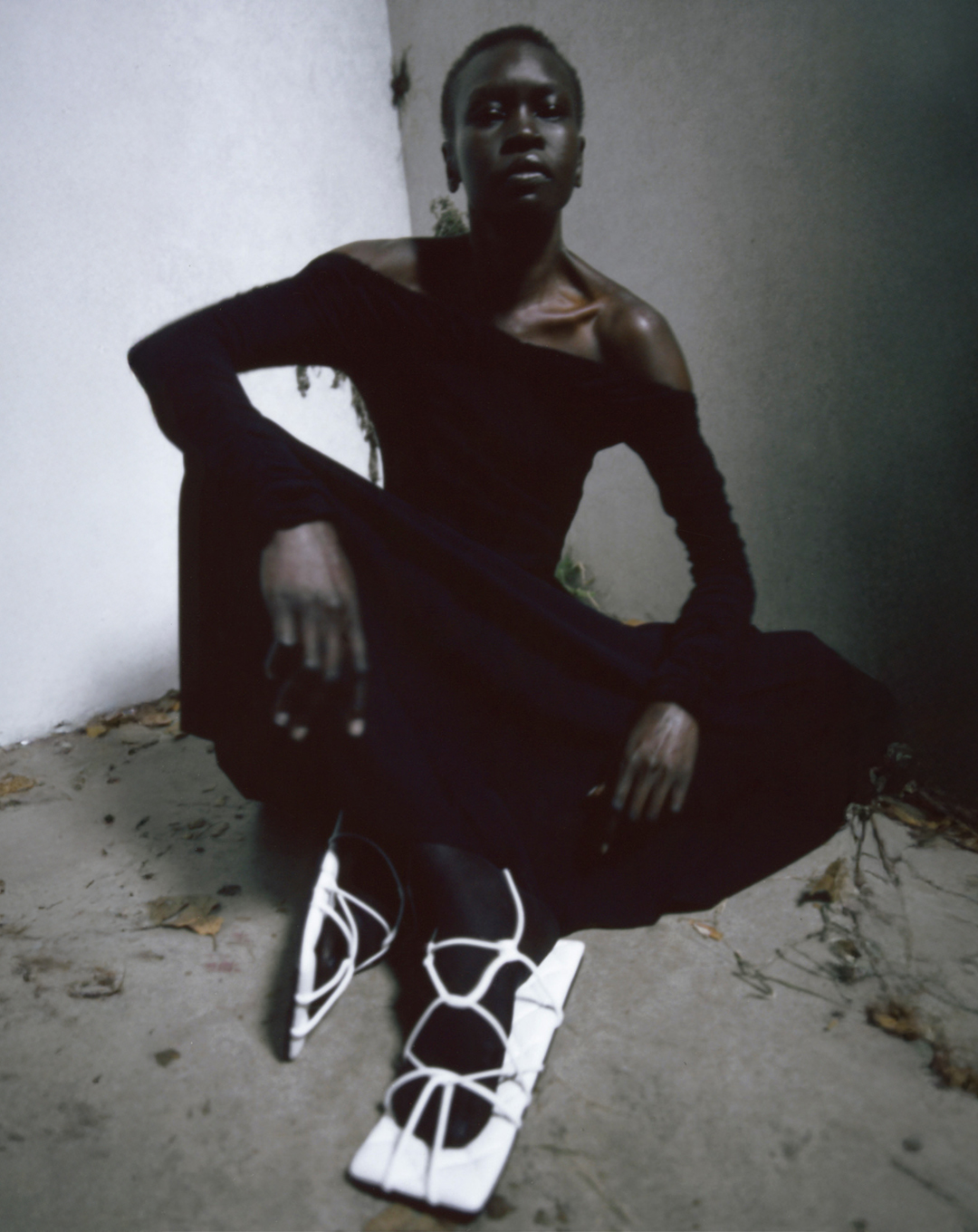
The Ugly Shoe
You can tell a lot about a person by what they put on their feet, especially if the shoes are slightly unhinged. A Teva worn with a floaty skirt. A Birkenstock that’s clearly seen more galleries than gardens. A heeled croc. A satin Mary Jane with orthopedic energy.
This is the mark of someone who gets it. Someone who understands that looking good is often about looking slightly... wrong. They’re not here for symmetry. They’re here for subversion. And they’ll happily ruin a “pretty” outfit with a chunky sandal or an aggressively practical clog because they know it makes the whole thing work harder.
They’re dressing for the front row of a show that hasn’t happened yet. You might not get it, and that’s fine, they’re not dressing for you.

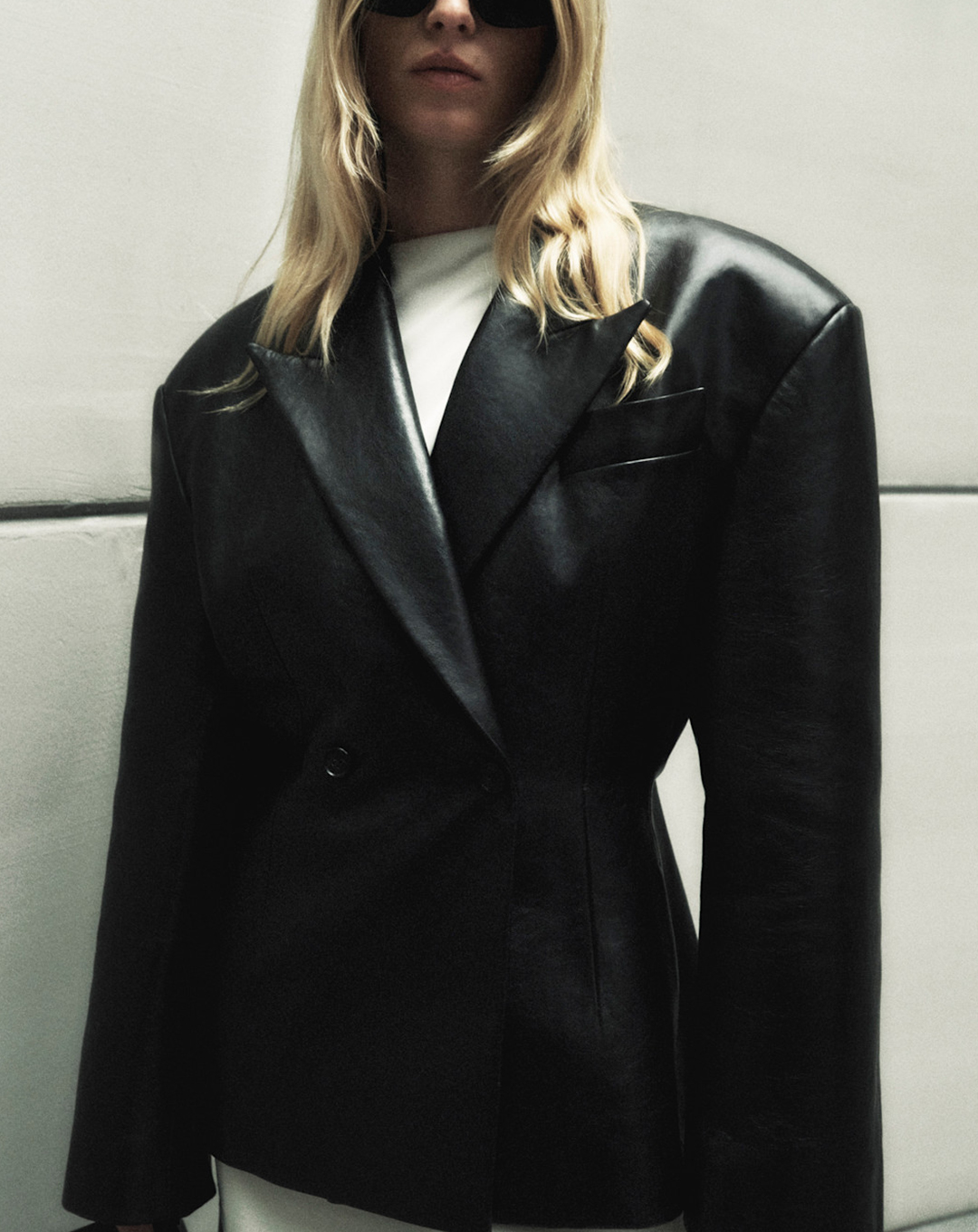
The Avant-Garde Piece
The person in Tabis. Or an asymmetric sculptural jacket. Or a dress that seems to defy traditional armhole placement. This is the wearer of the “what is that” piece, and the piece is usually the most important thing in the room.
These aren’t clothes so much as conversation starters. But the wearer doesn’t start the conversation; they just raise an eyebrow and wait. Wearing avant-garde is less about making a statement than posing a question. Do you see what I’m doing? Do you want to?
It’s not about being intimidating. It’s about being in on something. A reference. A designer. A deeper level of fashion literacy. They know what they’re wearing is odd. That’s the point. It’s not a flex, but it is a bit of a test — for you, not for them.
If you compliment it correctly, you’re in. If you ask where they got it, they’ll say “Oh, ages ago” and change the subject. Either way, they win.
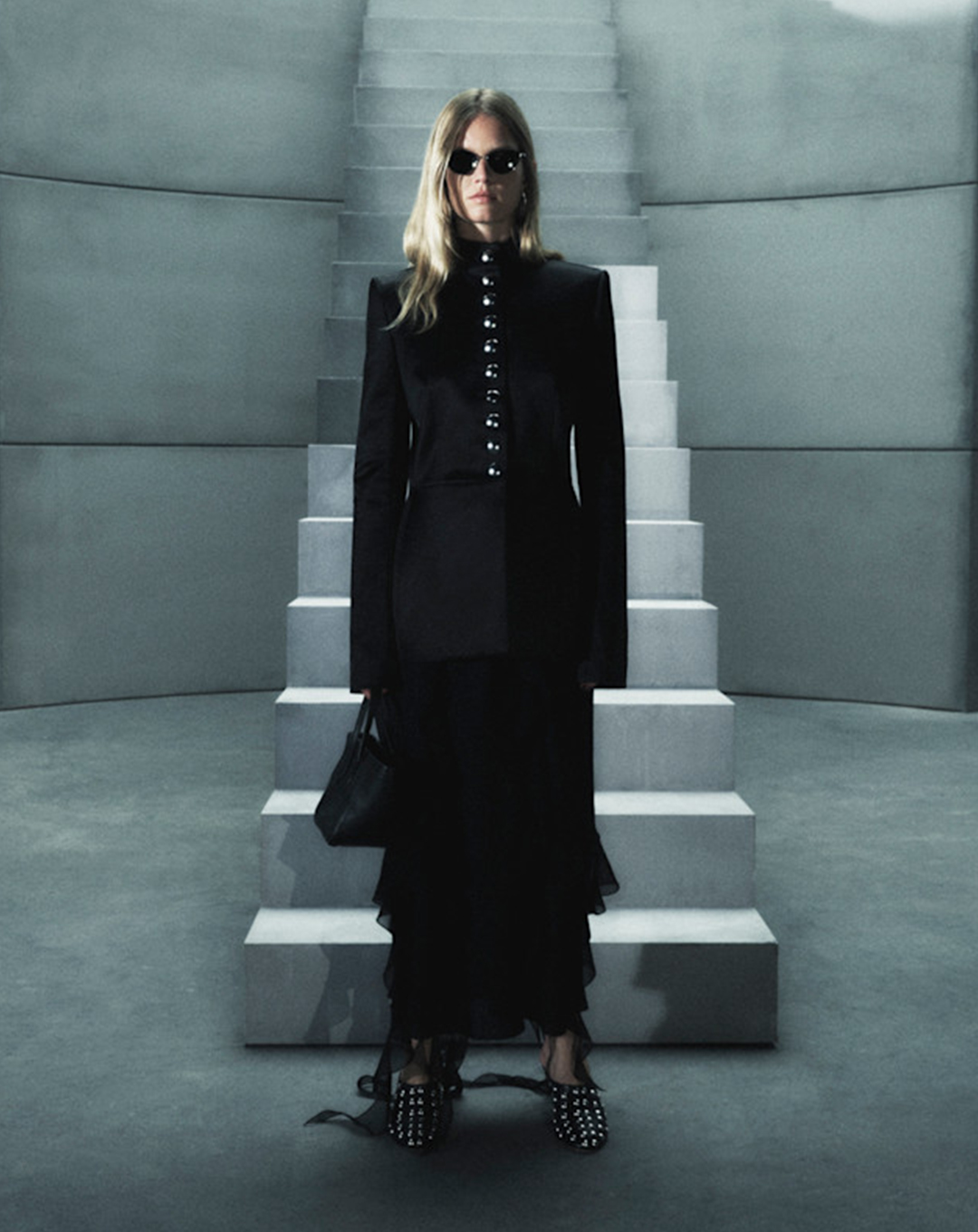
The All-Black Uniform
You’ve seen them at dinner. At the airport. Probably at a gallery opening you didn’t understand. Head-to-toe black, without a hint of boredom. It’s not emo. It’s not minimal. It’s commitment.
They’ll tell you they wear black because it’s simple, but that’s a lie. It’s difficult. You can’t hide behind color. You have to get the shape, the silhouette, the texture exactly right. Matte with silk. Suede with nylon. The zip of a boot, the width of a trouser, the fall of a shoulder. Everything matters when there’s no hue to distract.
This person looks expensive even when they’re not. They understand tailoring. They probably have a dry cleaner on speed dial. And if they do wear navy, it’s on purpose, and you should feel honored to witness it.
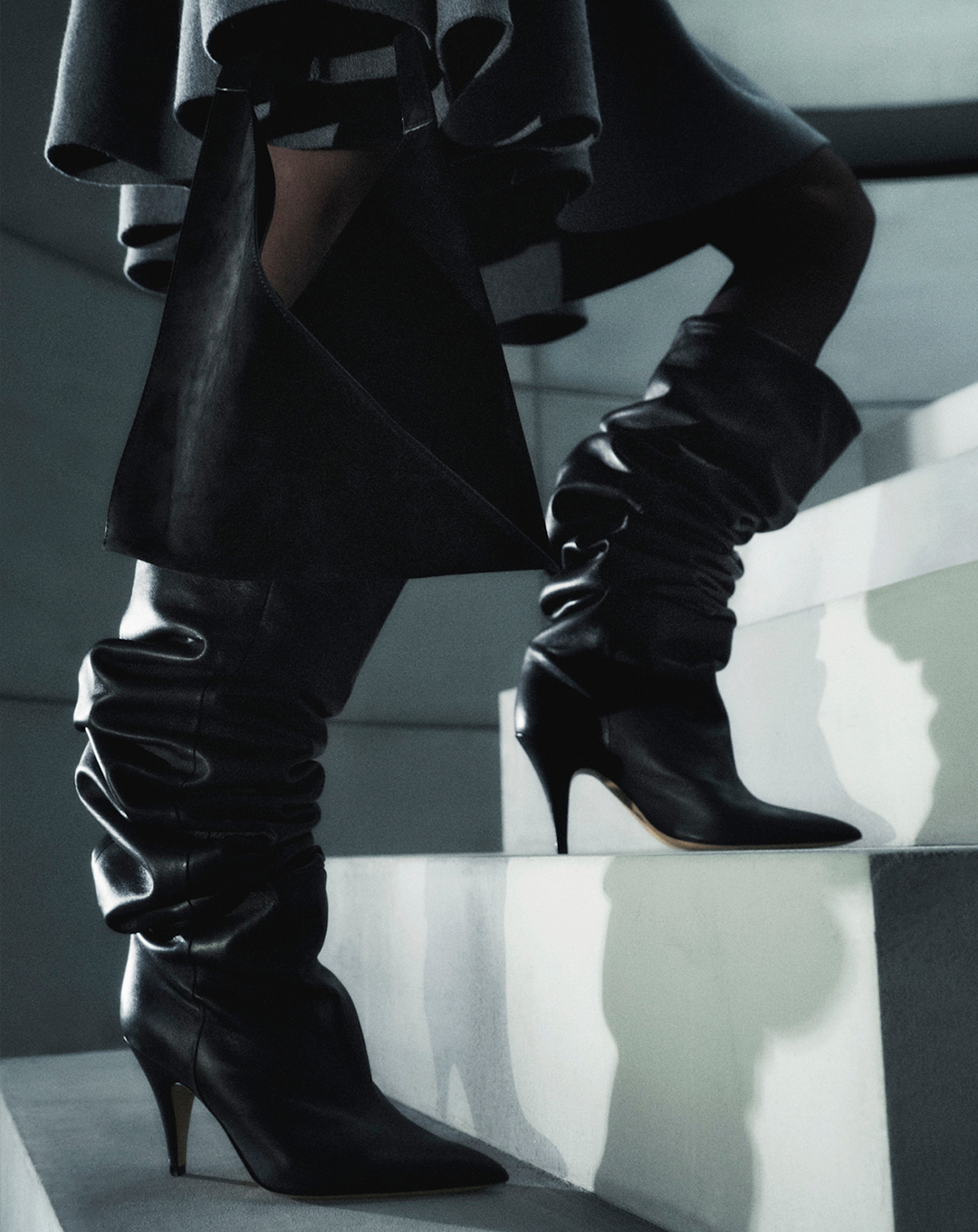
The Basics That Aren’t Basic at All
This is the person who walks into a room and instantly makes everyone else’s outfit feel slightly overthought. Their white T-shirt fits just so. Their trousers break just right. Their sweater is technically a crewneck, but the collarbone exposure is museum-worthy.
Everything is soft, spare, and terrifyingly good. Nothing is branded. You won’t see logos. But the cotton is denser. The knitwear has presence. You can hear the cashmere, somehow.
It’s fashion as a quiet power move. No trends, no tricks, just extremely correct clothes worn with the ease of someone who knows better.
The New Heirloom
They look like they inherited everything from a great-aunt who once danced at Studio 54 and had a flat in Paris. In reality, they just have excellent taste and know where to shop.
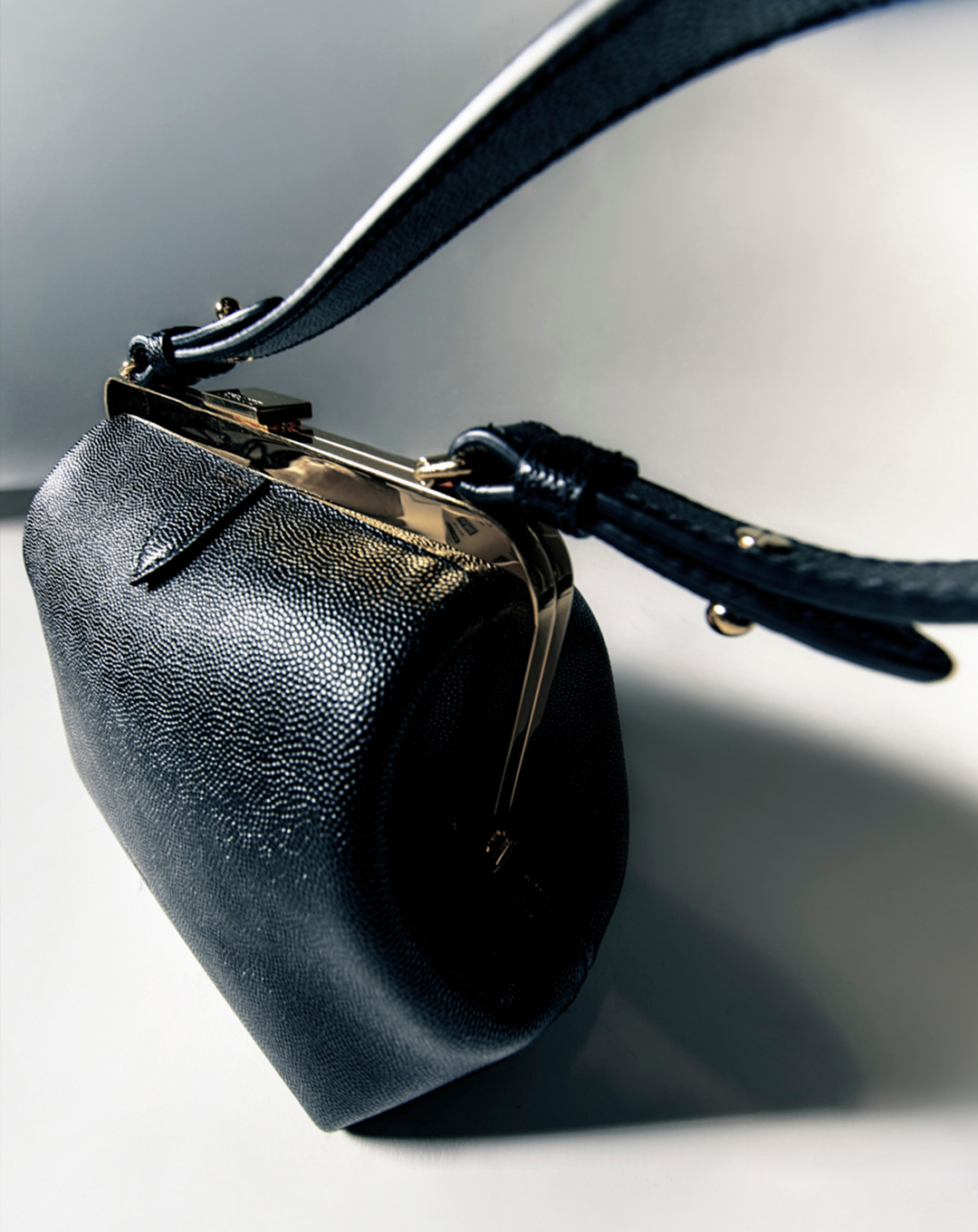
Their bag is a reissue of a classic. Their rings look like they came from an estate sale, but were actually carted out of Net-a-Porter last week. They’re drawn to things with weight, history, and a sense of permanence, the opposite of trend-driven fashion.
Gold hoops that feel passed down. A chain bracelet that will still make sense in 30 years. A Gucci Jackie bag that’s back in production because it never really went away. They don’t chase novelty. They collect future heirlooms.